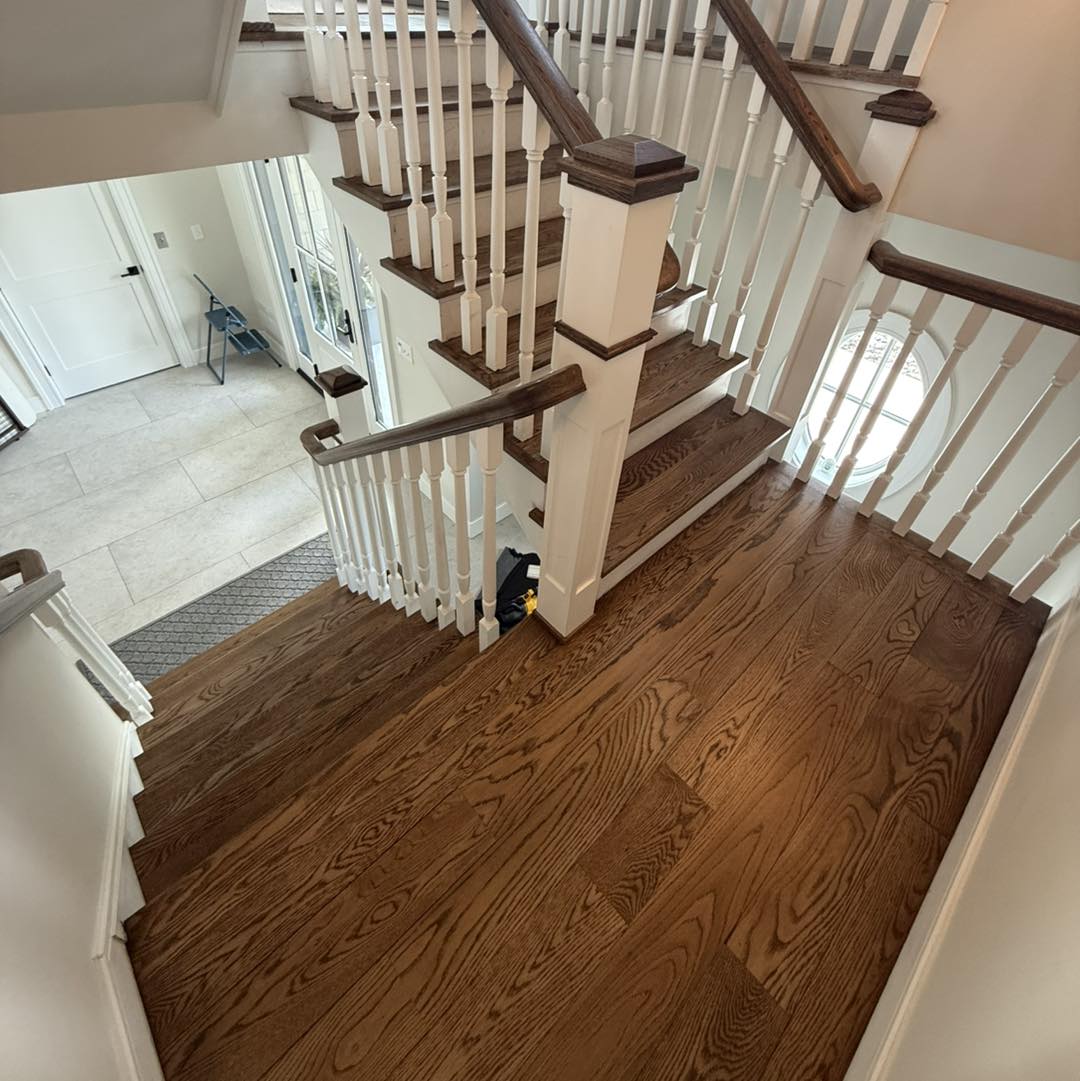
Flooring Installation 101: What Homeowners Need to Know Apr 17, 2026
Before diving into the specifics, it’s crucial to assess your needs and priorities. Begin by considering the space in which the flooring will be installed. High-traffic areas, such as kitchens and entryways, will benefit from durable materials like hardwood or tile. For bedrooms and living areas, comfort might take precedence, making carpet or luxury vinyl a popular choice. Setting a clear budget is also essential, as flooring installation costs can vary greatly depending on the material and size of the area.
Once your priorities and budget are established, it’s time to select the right flooring material. Hardwood flooring, known for its timeless appeal and durability, is a favorite among homeowners. It’s essential, however, to consider the maintenance involved. Regular polishing and refinishing may be necessary to keep it looking pristine. For those who prefer a low-maintenance option, laminate flooring offers a durable finish that mimics the look of natural wood without the upkeep. Tile flooring is another excellent choice, particularly for moisture-prone areas, due to its water resistance and ease of cleaning.
After choosing the material, understanding the installation process comes next. For those considering DIY installation, laminate and floating engineered wood can often be installed without professional help. However, for more complex materials like solid hardwood, professional installation is recommended to ensure a seamless and lasting finish. Professional installers from companies like Finely Finished LLC not only bring expertise but also peace of mind, knowing the job will be done correctly and efficiently.
Preparation is key to a successful flooring installation. It involves removing old flooring, checking for any necessary repairs to the subfloor, and making sure the new material is acclimatized, especially in the case of wood flooring. Acclimatization helps prevent issues such as warping or gaps once the floor is laid.
The installation process varies depending on the flooring type. For instance, hardwood requires precise nailing or gluing, while laminate flooring involves a simple click-and-lock method. Tile installation, on the other hand, requires meticulous laying down of tiles using adhesive and precise grout application to achieve the desired finish.
Finally, post-installation care is vital in ensuring your floor’s longevity. Regular cleaning and immediate attention to spills can prevent damage. Different flooring types have specific cleaning requirements; for example, hardwoods shouldn’t be cleaned with excess water, while tiles can withstand more robust cleaning agents.
Flooring installation might seem complicated, but with proper guidance and expert help, it can be a rewarding experience. For homeowners eager to transform their spaces, understanding these fundamentals is vital. Finely Finished LLC is here to support you every step of the way, ensuring you select the perfect floors and achieve a flawless installation for lasting beauty and value in your home. Feel free to reach out with any questions or for a consultation about your flooring project.
/filters:no_upscale()/filters:format(webp)/media/625e6ae5-d607-426f-82aa-9e74eba7e044.jpeg)
/filters:no_upscale()/filters:format(webp)/media/675617b8-c309-423f-93e5-4be84017354b.jpeg)